
CNC Tube Bending for Stainless Steel and Carbon Steel Applications
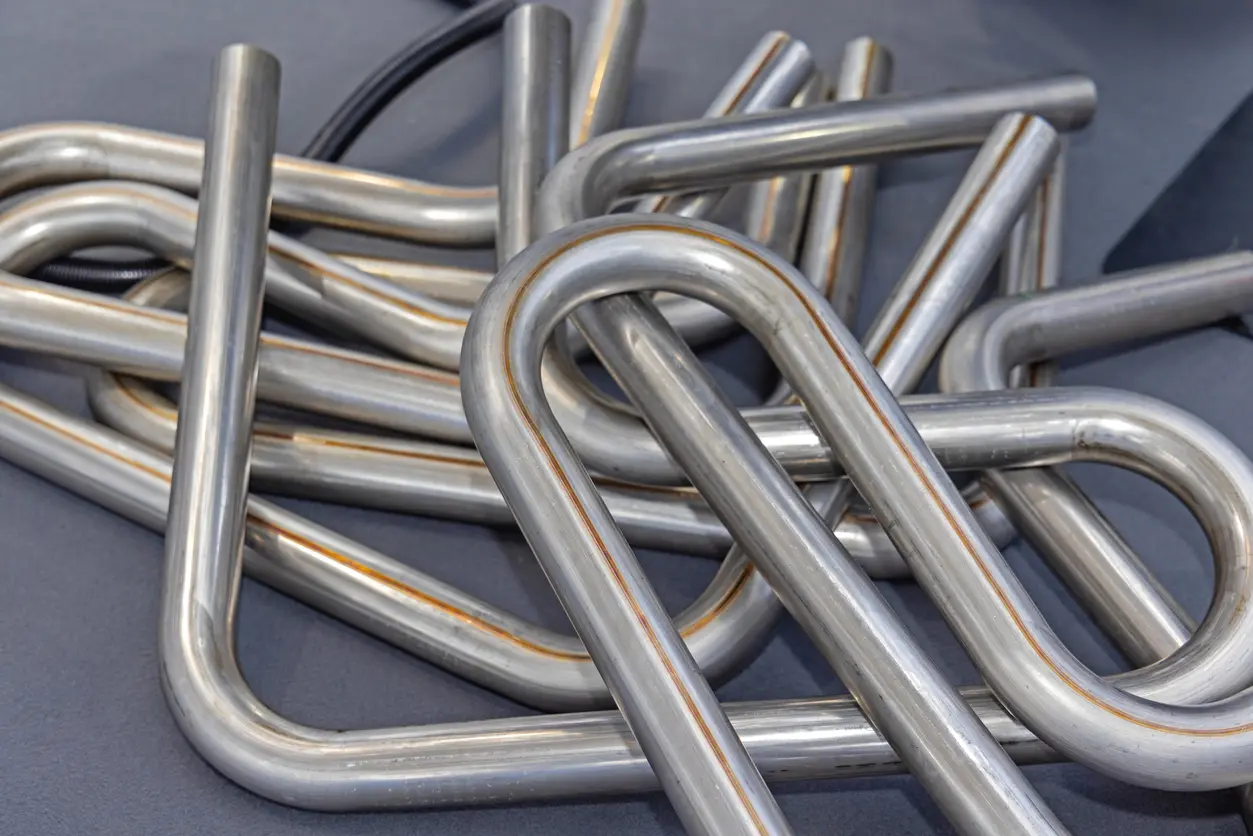
Thanks to the advent of modern technology and equipment, it’s never been easier for turnkey tube manufacturers to perform CNC tube bending operations for OEMs and other customer bases.
Numerous materials can be used for fabricating tubes in fluid transfer systems and some of the most popular choices include stainless steel and carbon steel. While both materials are an option, they differ vastly in mechanical and chemical properties, and when they are best fit for an intended application.
RB Royal states the case for best practices of CNC tube bending focusing on stainless steel and carbon steel applications.
Identifying Best Applications of CNC Tube Bending by Material Choice
CNC tube bending for stainless steel and carbon steel means looking at two very different material selections. What might work on a stainless steel tube may not work for a carbon steel tube and visa versa. This is merely about tube application matching with material selection, not tube bending, but it’s important to note.
Stainless steel works best in environments where corrosion resistance isn’t recommended but required. Stainless steel also features incredible strength and offers an aesthetically pleasing finish. Best applications include:
- Process piping and sanitary manifolds in food and beverage industries.
- Gas lines, cleanroom systems, and instrument tubing for medical applications.
- Corrosive fluid, gas lines, and subsea or offshore components in chemical, oil, and gas applications.
- Hydraulic lines for marine and coastal usages.
- Fuel rails, hydraulic lines, and other aerospace applications where tight tolerances and reliability are demanded.
Carbon steel is a cost-effective alternative to stainless steel as it still offers great strength and toughness – especially in load-bearing applications – but it’s much easier to work with compared to stainless steel. Common applications of bent carbon steel tubing include:
- Machine frames and equipment skeletons for structural and industrial applications.
- Tractor frames and guards for agricultural and construction machinery.
- Chassis components, exhaust systems, and roll cages in automotive and general transportation settings.
- Compressed air, water, steam lines placed in controlled environments for industrial applications.
Stainless vs Carbon: Practical Selection Guide
| Consideration | Stainless Steel | Carbon Steel |
|---|---|---|
| Corrosion Resistance | If corrosion resistance is vital for your application, stainless steel should be your material choice as it is naturally resistant to corrosion. | Carbon steel, unless treated with specific coatings or is galvanized, isn’t the strongest corrosion resistant material choice. |
| Visuals | Stainless steel presents a high-quality and low maintenance finish that is found naturally in the material. | Carbon steel is traditionally painted, powder coated, or concealed to achieve the desired finish. |
| Cost-Effectiveness | Stainless steel does contain higher material costs and labor because of tooling and needed machine power to bend the tube. | Carbon steel is a cost-effective material compared to stainless steel, and it is much easier to work with. |
| Weldability | While it is weldable, it is much more difficult and requires a skilled and experienced welder. | Carbon steel is much easier to weld compared to stainless steel. |
| Power and Springback | Stainless steel features a higher springback during bending. | Less machine power is required for carbon steel, and it features lower springback. |
Partner with RB Royal for Your CNC Tube Bending Operations
RB Royal is one of the premier turnkey manufacturers over all fluid transfer system components within the United States. We first opened our doors in 1942, creating brass fittings and over the last several decades have expanded as one of the most trusted manufacturers in the country.
In our Fond du Lac, Wisconsin, facility, we’re able to perform turnkey tube and pipe manufacturing operations, which include our tube bending capabilities. With both CNC and robotic tube bending capabilities readily available, the RB Royal team closely reviews the specifications of your project to create the exact bend your tubes need.
We have a long-standing tradition of high-level quality management systems which have been ISO 9001 certified for going on 20-plus years. Our team performs part validation services, visual inspections, and much more to ensure your order is ready for service.
Contact RB Royal today for more information on our CNC tube bending operations and how we can serve your next project.