
Flexible Hose Applications vs Rigid Systems and When to Use Each in Fluid Design
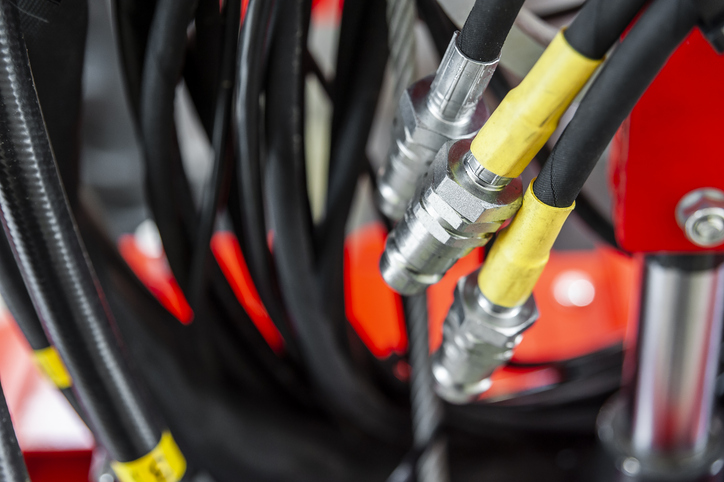
Fluid transfer systems rely on both flexible and rigid hose systems to help with the flow of any type of fluid. Whether it be for hydraulic fluid, gas, oil, water, or HVAC applications, these hoses are paramount to any fluid transfer system.
Flexible hose applications vary depending on numerous factors, including movement within the system, operating temperatures, environmental factors, and overall intended design of the entire fluid system itself.
RB Royal highlights key flexible hose applications in comparison to rigid systems and when to use each in fluid design.
Common Flexible Hose Applications
Flexible hose applications are commonly seen in scenarios where a fluid transfer system features movement, high vibration levels, thermal growth, and/or tight routing constraints and limitations. Flexible hoses adjust to all of these conditions because of their ability to move with the elements and adapt to exterior factors.
Common applications of flexible hoses can include:
- Mobile equipment
- Hydraulic and pneumatic systems
- Chemical and pharmaceutical processing
- Engines
- HVAC
- Oil and gas systems
- Power distribution
Where Rigid Systems Make Sense
Rigid systems are more commonly seen in systems that feature fixed layouts or long, straight runs where rigid hoses won’t be exposed to motion and vibration, and provide strong mechanical protection as well as stable flow behavior.
Rigid systems are traditionally preferred in scenarios where pressure, temperature, and long-lasting durability are the main priorities. Rigid systems can remain functional over longer periods of time compared to flexible lines and can hold off hose whip, abrasion, and premature wear. Common examples of rigid systems include:
- Industrial hydraulic piping systems
- Cryogenic piping systems
- Drum and barrel pump suction tubes
- Fuel dispensing nozzles and pipes
- Chemical gear pump assemblies
Design Considerations
Each system is going to have its own design considerations in the same way flexible hoses and rigid hoses have their own applications. When designers and engineers are working on the initial drawings for flexible hoses, it’s essential to make consideration for a few items.
- Inner liner material should be compatible with the fluid that’s going to be moving through the system
- Any reinforcement to provide further support
- Outer cover to prevent premature wear, abrasion, and heat exposure
One of the advantages of using flexible hoses is that they are a cost-effective solution compared to rigid hoses in terms of manufacturing and setup. From a design standpoint, engineering teams do have to be more careful knowing that materials and hose capabilities are more at risk of defects.
In comparison, rigid systems have design aspects that favor durability, pressure tolerance, and permanent layout stability. When engineering teams review designs for rigid hose systems, there are a few common traits they look out for.
- Matching inside and outside diameter
- Temperature tolerance of fluids
- Considerations on system applications to gauge for vibration and any potential motion
- Rigid hose material and its compatibility with the given fluid intended for the system
- Selecting appropriate connection types, such as flanged, welded, or threaded
Contact RB Royal for the Best Flexible Hose Applications
RB Royal is an industry-leading expert in turnkey fluid transfer system applications. Since 1942, we’ve provided OEMs across multiple industries with the system components they need, such as flexible hoses, rigid hoses, tubes, fittings, and other essential parts to complete entire, high-quality, and functioning systems.
It all starts with our Design-ufacturing program, where a mix of engineers work with your team to craft the design for your flexible hoses and ensure they will function properly in their intended application. From there, we manufacture the hoses and perform any value-added operations to make them the high-quality and durable pieces they need to be.
Quality management practices at RB Royal are taken seriously, as indicated by our 20-plus years as an ISO 9001 certified manufacturing company.
Contact our team today for an initial consultation, and let’s work together so your team makes the most of your flexible hose applications.