
A Guide to Hydraulic Line Routing for Combining Rigid and Flexible Lines in Fluid Systems
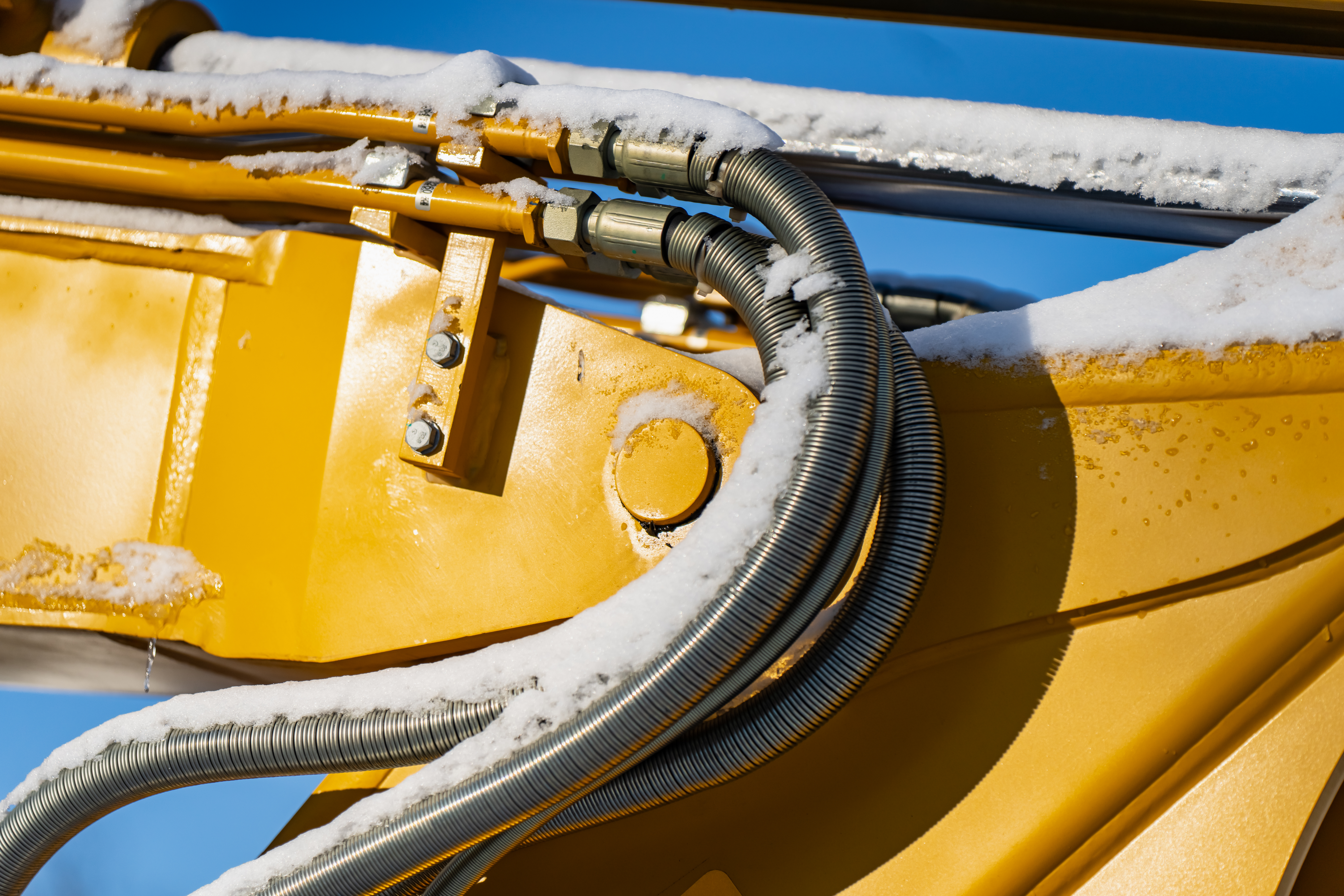
Hydraulic line routing when combining rigid and flexible lines in fluid systems can be a complex operation that features different fluid handling, varying materials, and complex connections in pivotal points of your operating systems.
But with all of the complexities, that doesn’t mean routing itself has to carry those challenges with it. RB Royal’s guide on hydraulic line routing for combination lines can help to streamline the routing process and ensure smoother operations.
Hydraulic Line Routing Principles and Routing Approach
If your fluid system requires the use of both rigid and flexible lines, it’s important to identify which type of line is going to be used for specific operations. When looking at rigid lines or tubing, it’s best to use these lines for fixed runs.
Using the flexible lines means using them in spaces where motion, vibration, or service access requires it. The overall end goal is to minimize stress, preserve bend radius, and support both line types for easier inspection and maintenance, and optimized fluid systems.
Rigid Lines
Rigid lines should be used as long, motionless sections. This is because they hold shape, support precise routing in fixed layouts, and provide structural support in fluid transfer systems.
Flexible Lines
Flexible lines should serve at moving joints, articulated machine sections, and places where motion or vibration would wear down rigid lines.
General Principles
While there are specific tactics for both rigid and flexible lines, there are principles that apply to each of them. As a best practice, it is always ideal to have lines routed as straight as possible to reduce wear as much as possible. With straight routing, it also allows for easier flow throughout the system. Additionally, straight routing means easier access for inspections and any necessary repair work. While straight routing is vital, lines should have a minor bend in them to maximize flow rather than being taught.
Other principles to follow include:
- Avoid putting hoses and lines under tight tension, but rather, give slack to allow for pressure and flow changes.
- Honor minimum bend radius and avoid twists or sharp bends.
- Ensure routed lines are kept away from heat sources, pinch points, sharp edges, and abrasion sources.
- Clamp and support both rigid and flexible lines. This protects the lines from vibration, fatigue, and wear at the source of the fittings.
Common Mistakes in Routing and How to Avoid Them
The intricacies in hydraulic line routing can lead to errors for even the most experienced operations, and it’s certainly worth mentioning them in this guide to better understand where these errors show up, and how to avoid them.
Each line, rigid and flexible, serves a specific purpose in a fluid transfer system and shouldn’t be overused. One of the most common mistakes when using flexible lines is utilizing them as a solution for poor layout throughout an entire system, with minimal usage of rigid lines. When flexible lines are overused, this creates too much movement in a system, which then leads to other potential defects, such as abrasion, making a system less cost-effective. To solve, adhere to best practices and only use flexible lines where they make the most sense.
A common error with rigid lines is a tendency to force them into spaces where they become misaligned. This can preload fittings and create fatigue at pivotal connections, which can cause potentially harmful defects such as overuse, leaks, and over-pressured lines. Consider routing rigid lines only where minimal movement will occur.
Contact RB Royal for Hydraulic Line Routing Expertise
RB Royal has served as a turnkey fluid transfer components manufacturer for decades, with experience in all facets of fluid transfer system operations. All of our manufacturing and engineering capabilities occur in-house, so our customers know that only RB Royal handles their project.
Our rigid and flexible hydraulic lines undergo thorough design evaluation from our engineers, with DFM reviews incorporated through every step. With complete control of the entire manufacturing process, RB Royal ensures our customers receive high-quality parts. Backed by our longstanding ISO 9001 certification, our quality management systems have been vetted for decades.
For hydraulic line routing expertise, contact RB Royal today.