
The Importance of Generator Cooling Systems in Liquid Cooled Generators
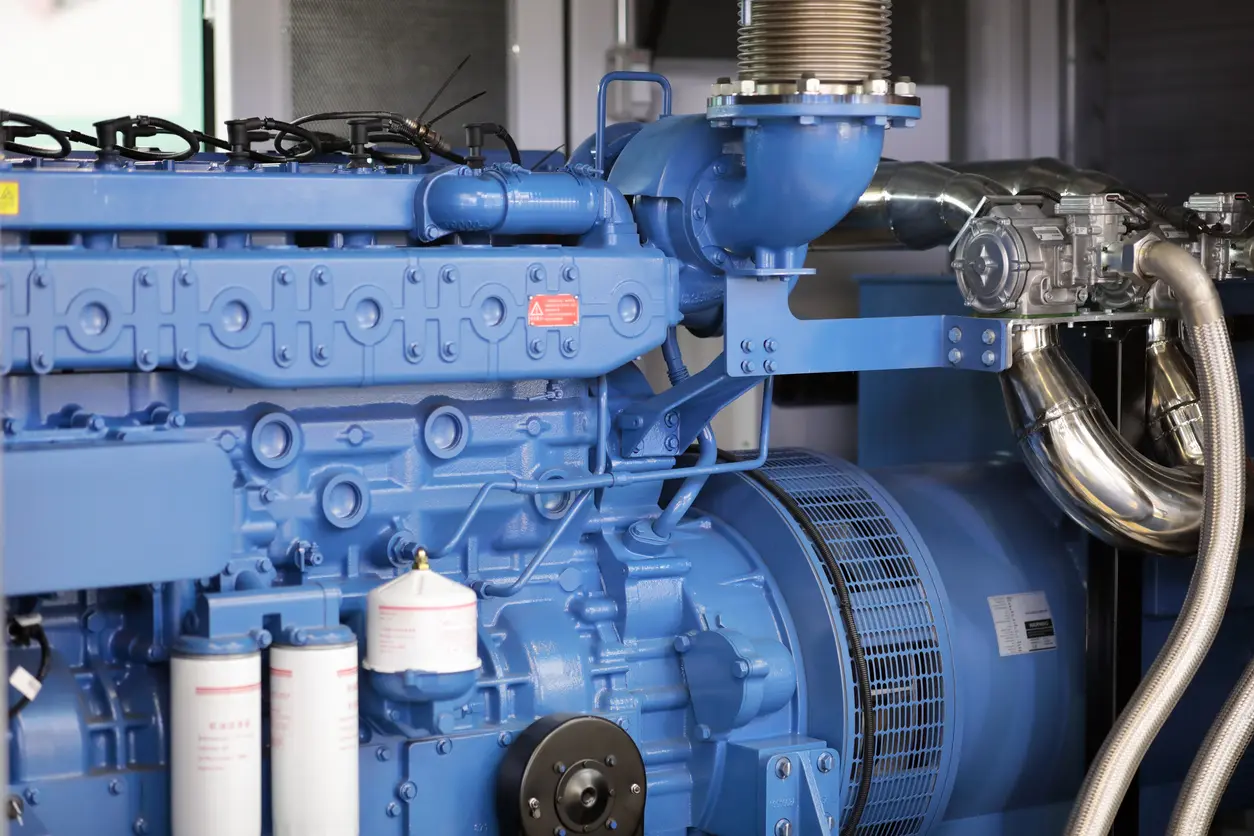
Generator cooling systems provide the relief that generators of all kinds need. When fuel is converted into electricity, one of the byproducts of that conversion is heat, and lots of it. That heat can’t just stay with the generator, or else damaging effects can happen to the engine and the system as a whole.
That’s why generator cooling systems – liquid cooled or air cooled – perform a valuable service by flushing that heat out of the system. RB Royal highlights the importance of these cooling systems along with practical benefits, and trade-off considerations between liquid cooled and air cooled systems.
Why Generator Cooling Systems Matter
The basic operation of a generator is that it converts fuel, whether it’s gasoline, diesel, or propane, into electricity. This transformation of energy produces a lot of heat, and when that heat is not properly and efficiently removed from the system, it can permanently damage engine parts, alternator windings, degrade lubricants, reduce system efficiency, and ultimately, shorten the lifespan of a generator.
In generator cooling systems that utilize a liquid cooling system, the cooling operation features coolant, pump, hoses, and a radiator or heat exchanger that pushes heat out of the engine more effectively. When this happens successfully, generators not only perform better, but last longer.
Practical Benefits
There are of course practical benefits to having generator cooling systems in liquid cooling operations, many of which are unique to this specific type of generator and are applicable in any application of a liquid cooled generator.
- Generator cooling systems experience better heat rejection, especially under sustained loads. This helps stave off and ultimately prevent derating and entire system shutdowns.
- Not only the cooling system, but the generators as a whole, experience longer service life because thermal stress on components is reduced.
- While air cooled generators perform a valuable service, liquid cooled generators perform the same service but much more quietly. This is a result of not relying on high airflow fans.
- Liquid cooled generators typically feature improved stability for hot environments and heavy-duty service.
Tradeoff Considerations
While liquid cooled generator cooling systems may run quieter compared to air cooled systems, the liquid systems contain much more system complexity. Liquid-cooled systems rely on coolant and that coolant level needs to be periodically checked. Equipment in the system benefits from regular maintenance including hose conditions, leaking spots (if applicable), and radiator cleaning. These complex systems often feature higher upfront costs compared to air-cooled systems as well.
While the higher upfront costs and more regularly scheduled maintenance is part of the equation, these aspects become justified when considering the product uptime, load capacity capabilities, and product durability, as well as product application – traditionally in large, industrial settings.
Upgrade Your Generator Cooling Systems with RB Royal Today
In our 80-plus years as an industry-leading fluid transfer system solutions manufacturing company, RB Royal has been at the forefront of some of the greatest shifts in fluid transfer technology. Our customers know that when their generator cooling systems need to be liquid-cooled, they’re coming to experts in design, engineering, manufacturing, and implementation.
Power generation is one of the main industries we serve that includes manufacturing the generator cooling systems large industrial spaces rely on. Our Design-ufacturing program allows for our customers to create a completely unique cooling system that works for their specific generator application. And to us, it’s not enough to just manufacture the cooling system, but we also perform extensive testing and validation on-site to ensure that your system works as it should.
Contact RB Royal today for more information on how we can produce your generator cooling system and provide the relief your generators need for the most demanding applications.