
Tube Bend Radius Chart Guide: Understanding the 2x Diameter Rule
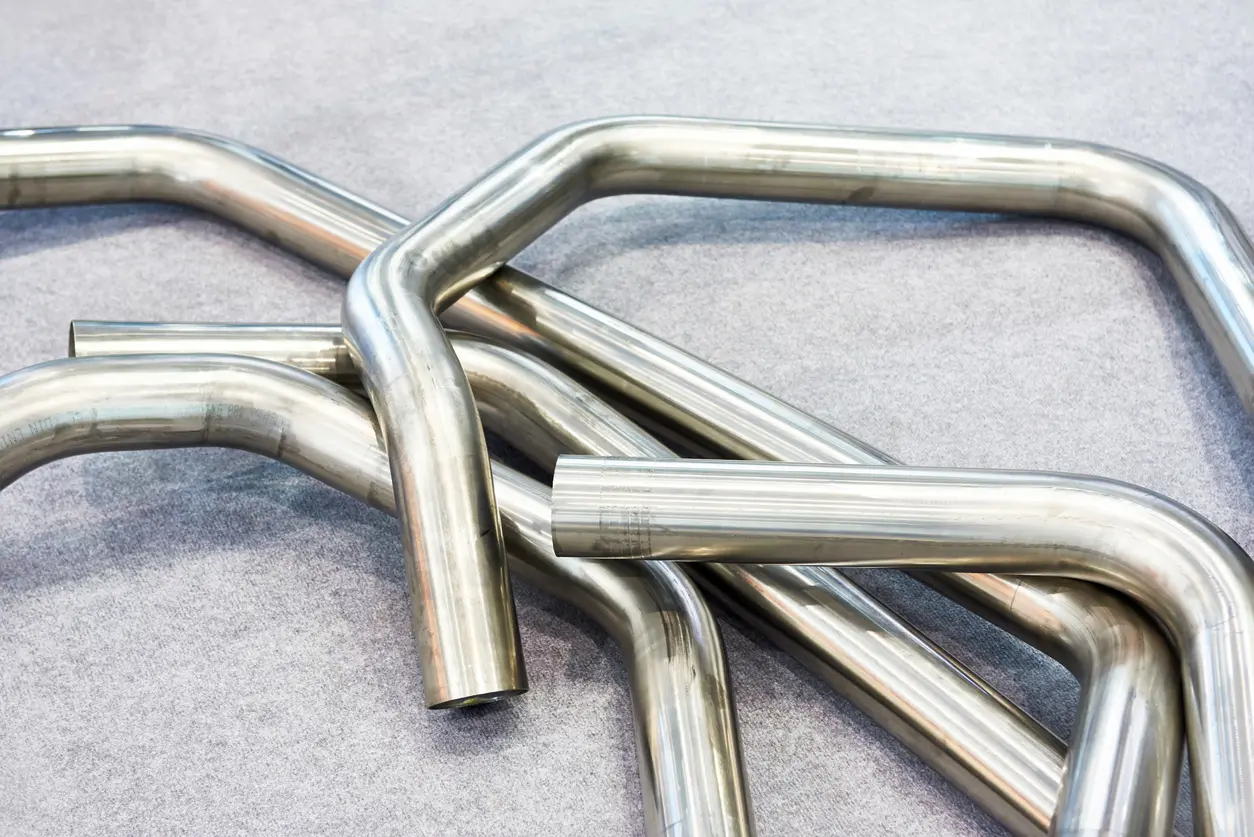
Tube bending is a pivotal operation for any fluid transfer system. Straight line tubes certainly serve a purpose, but if that’s all the system is, it’s going to be prone to defects, unmanageable stress, and in the worst situations, system failures.
That’s why when bending tubes, following the tube bend radius chart is an essential part of the process. The importance of the 2x diameter rule streamlines operations while maintaining best safety features and allowing for maximum optimization.
RB Royal highlights the tube bend radius chart and how it works in accordance with the 2x diameter rule.
What the 2x Diameter Rule Means with the Tube Bend Radius Chart
The 2x diameter rule in application with the tube bend radius chart is an easy, quick solution for design considerations in tube bending operations. It states a reasonable, non-aggressive bend radius that’s roughly two times the tube outside diameter.
How Bend Radius Charts Use Multipliers
The classification of bends on the tube bend radius chart is by the ratio of centerline radius to outside diameter. In these ratios, it shows how tight the bend is relative to the tube diameter with smaller ratios equating to tight bends and thus higher forming difficulty.
These multipliers are meant to showcase the difficulty of achieving a bend in a given tube and the smaller the ratio gets, not only does the bending become more difficult, but the process becomes more expensive with tooling considerations and operational procedures.
Why 2x is Just a Starting Point
It’s important to note that a 2x diameter “rule” is merely a safe design consideration that offers a faster way to achieve proper bend radius. This rule doesn’t account for manufacturing processes or any material-specific constraints. Ultimately, successful and achievable bend radius relies on material selection, wall thickness, bending method, and acceptable levels of ovality, flattening, thinning, wrinkling, and spring back.
Every manufacturing company is going to have different tube bending guidelines, but the 2x diameter rule is an initial starting point before the specifics of the project have been discussed.
Incorporating Design for Manufacturability
Utilizing the 2x diameter rule and the tube bend radius chart during design for manufacturability aids in a few different ways that streamlines the design process. Off the jump, it allows for engineering and design teams to quickly pick bend radii that balances manufacturability with packaging space. After a quick selection of bend radii, teams can then refine the best radius through a more detailed bend chart.
Considerations should be made toward wall thickness, material selection, and ultimately, manufacturing method.
Partner with RB Royal for Proper Usage of the Tube Bend Radius Chart
RB Royal is an industry-leading fluid transfer systems solution manufacturing company located in Fond du Lac, Wisconsin, creating the essential components in fluid transfer systems.
Tube bending is a critical operation to maximize any fluid transfer system no matter what the application or the industry it’s going to serve in. Our tube bending operations are engineered solutions and follow design specs to ensure tubes are the correct shape, length, and diameter in accordance with the tube bend radius chart.
When you need tube bending services for your fluid transfer systems, contact RB Royal.