
A Guide to Hydraulic Systems Design with Hybrid Tube and Hose Assemblies
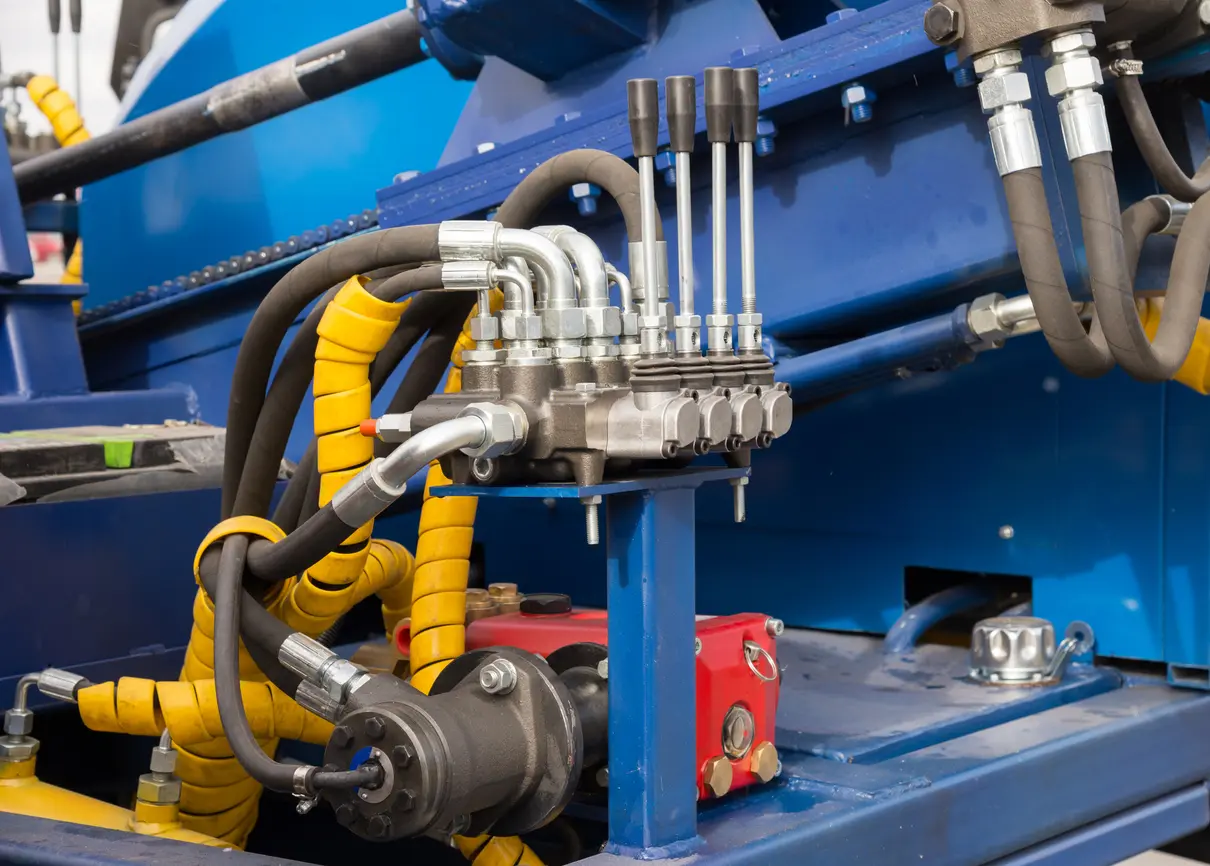
Hydraulic systems design incorporates some of the most challenging and demanding aspects in fluid transfer systems solutions work. Utilizing hybrid tube and hose assemblies to create a safe, functional hydraulic system that will likely exist in demanding environments requires a large focus and collaboration from customers and manufacturers.
RB Royal’s guide to hydraulic systems design aims to more easily streamline the design process and lays out key considerations on tube and hose assemblies throughout systems.
Layout System Constraints
One of the first items in hydraulic systems design processes should be to identify system constraints. Every system is going to feature trade-offs or have aspects that are better than others. Before moving into the tube vs hose conversation and landing on where each respective part should be placed, weigh these considerations carefully.
- Properly identify pressure, temperature, fluid, and cleanliness requirements.
- Movement envelopes between components such as skid steer linkages, key vibration sources, and shock load spots.
- Highlight available routing paths, allowable clamp locations, and any no-step or no-impact zones where your system will serve.
Tubes vs Hose in Hydraulic Systems Design
Hydraulic systems design is going to incorporate both tubes and hoses, but there are specific applications of each as they are not interchangeable terms and using a tube where a hose should be or vice versa can lead to catastrophic system failure.
Tube Considerations
- Straight flow runs or can be bent in a few planes
- Require maximum resistance to abrasion, crushing, and environmental exposure
- Trading volumetric expansion for precision control
Hose Considerations
- One or both ends move at connection points
- Vibration isolation or noise reduction are essential
- Poor assembly access and flexible link to connect modules or subassemblies are needed
Routing and Support Considerations
Routing is arguably the most important aspect in hybrid systems where hose-tube interfaces exist in hydraulic systems design considerations. There are a few best practices RB Royal has picked up over the years to ease routing in the design phase of a project.
- Place hoses in a single bending plane whenever possible and use clamps to prevent compound bending and twisting. If hoses twist, the pressure capability is dramatically reduced, and hose life is negatively affected.
- Factor in hose minimum bend radius while avoiding tight bends right by the fittings to prevent extra loads on tube terminations and joints.
- When designing clamps and brackets, design them so tubes carry any external loads. Hoses should only see internal pressure and controlled flexing.
Incorporating Interfaces, Fittings, and Leakage Control Measures
Hybrid hydraulic systems are becoming increasingly common throughout multiple industries and as such, the inclusion of interfaces and leakage control systems are essential.
A strong starting point is to standardize robust connection types and avoid stacking adapters that can increase leak paths. From there, use integrated hose-tube assemblies from a single supplier such as RB Royal so lengths, bends, and fittings not only are qualified together, but that connection count is minimized.
Misaligned tube ends can and will side-load hose fittings which cause multiple action items including movement, fretting, and eventually leaking. Ensure proper alignment by providing assembly access and design tolerances for best fits.
If your hydraulic systems design is for a high-pressure system, utilizing guards, shields, or routing away from operator positions can reduce the risk of fluid injection, burns, and whipping hoses in the event of a system failure.
Lifecycle Goals
Ultimately, one of the largest aspects for hydraulic systems design considerations is the expected lifecycle or lifecycle goals of the overall system. When keeping field service or system application in mind, it allows not only your team, but your manufacturing team to make better decisions in design regarding materials, layout, and more.
A best practice is to place common wear items such as a hose in easily accessible locations so when any maintenance or replacement needs to occur, there aren’t major disruptions to the overall system and tubes, or other major structures aren’t contacted.
Clearly label essential aspects of the hydraulic system whether it’s through engraving, prints, or tags, and feature consistent routing of tubes and hoses so technicians can match replacement assemblies faster.
Contact RB Royal for More Hydraulic Systems Design Information
RB Royal partners with OEMs and other manufacturers in multiple industries providing hydraulic systems design services to better manufacture safe, secure, and long-lasting systems.
Whether it’s power generation, marine, heavy trucking, or construction, hydraulic systems play a pivotal role in equipment and machinery, and when proper designs are the backbone for a system, safety in field applications is easily achievable. RB Royal has multiple avenues for design work, including our Design-ufacturing program. Our quality management systems are thoroughly vetted and our long-standing ISO 9001 certification is a demonstration of our dedication to providing a superior customer experience where our quality management drives the operation.
Contact our team today for assistance with your hydraulic systems design work and let’s take your project from CAD file to real-world application.