
Design Considerations for Custom Fuel Lines in Generator Fuel Systems
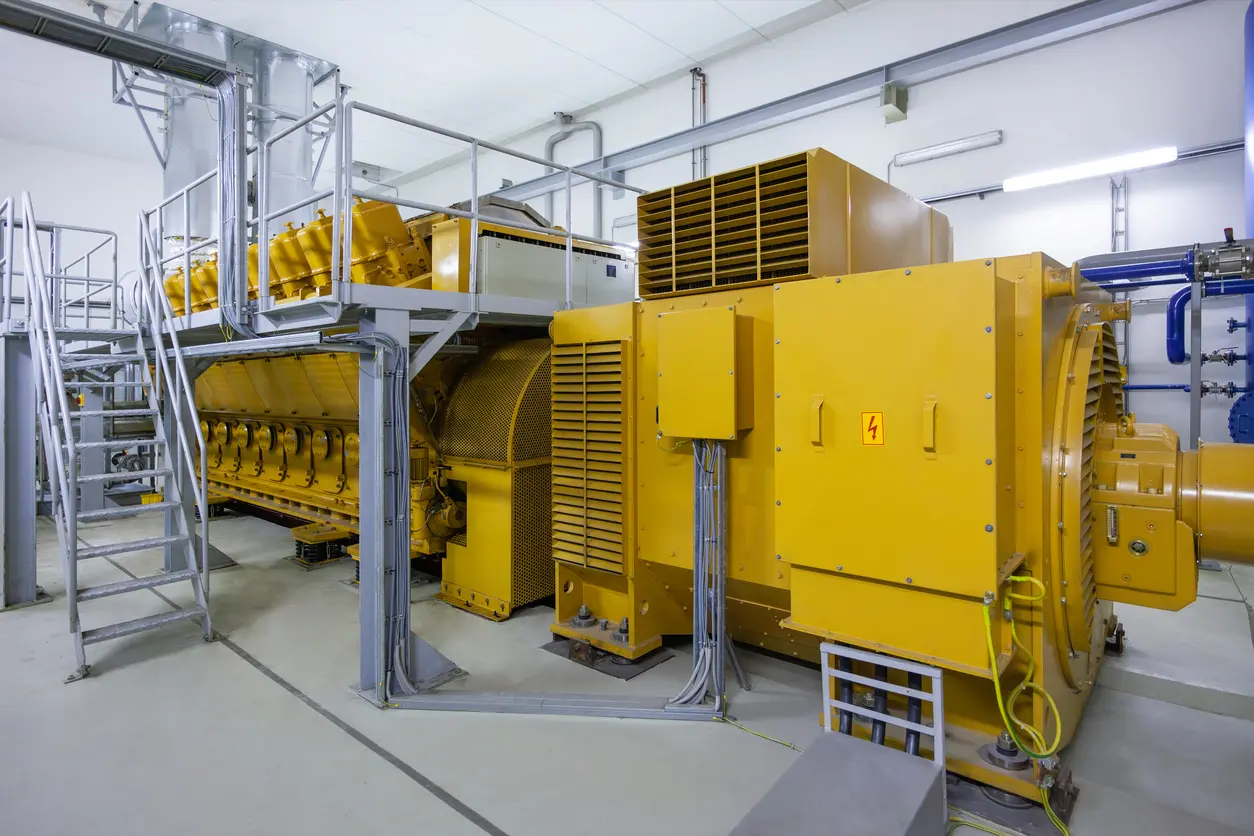
Whether it’s a generator in a residential garage provided power to home equipment, or a commercial-grade system that serves as reserve power to a demanding building, generators and subsequently, generator fuel systems, play a pivotal role in ensuring day-to-day operations can happen even when main systems fail.
Custom fuel lines in a generator fuel system must be thoroughly designed to ensure safety in a generator system while providing optimal fuel life, pressure, and leak-free solutions. RB Royal details specific design considerations for custom fuel lines in generator fuel systems.
Essential Design Points
Generators come in all different shapes, sizes, and applications. A commercial-grade generator that’s used to provide back-up power in a mixed-use commercial space is going to differ compared to the generator you might have at home. While there are differences in shapes, sizes, and applications, there are a few uniform design considerations that most, if not all, generator fuel systems adhere to.
This typically starts with sizing the fuel line for the generator’s full-load fuel demand and keeping pressure drop low across the entire system. From there, creating the shortest practical path that features the least amount of flow-disrupting features like elbows and tees is recommended.
While having bent tubing and flexible hosing is important, there should be straight sections of pipe near regulators and at the generator inlet to avoid instability. With the rigid piping, it should be isolated from the engine vibration via a flexible section, but not to make up for improper alignment or serve as an elbow that would disrupt fuel flow.
Lastly, the generator fuel system is for the generator itself. Meaning, it’s a dedicated fuel system that isn’t transferrable as shared loads can create pressure instability which leads to starting problems.
Hose and Tube Layout in Generator Fuel Systems
Hoses and tubes might seem like interchangeable terms on the surface, but from a technical perspective, they offer different implications and certainly from a design perspective, are not interchangeable.
Hoses as part of a custom fuel line in generator fuel systems make up the flexible portions that can tolerate the vibrations and movement of fuel in the system. The tubes or rigid lines of a hybrid system are in place to minimize turbulence and provide stability throughout the system.
These two aspects of the fuel system work together to create a well-pressured flow of fuel throughout the entire generator system.
Materials and Compatibility
When utilizing custom fuel lines for generator fuel systems, the combination of flexible and rigid fuel lines means multiple materials are in contention for usage. No matter the type of fuel line that’s used, all materials must consider the fuel type, operating temperature, and pressure the system will be under. Specifically, flexible hoses must be compatible with specific fuel grades including blends of fuel such as an oil-gasoline mix. Metal tubing or rigid fuel lines are often the choice for sections of a fuel system that require abrasion resistance, durability, and dimensional stability.
In generators, vibration and noise are going to be two of the largest factors to consider during material selection. Because of this, materials must be vibration resistant as consistent motion can cause defects in the system such as leaks, cracks, or loosening at fittings.
Regulator and Pressure Behavior
Not every generator fuel system is powered the same. Some might rely on diesel, others on propane. Different fuel sources come with different pressures, particularly with gasoline as a fuel source. A gasoline fueled generator requires a regulator as part of the fuel line design.
Providing stable supply pressure along with lockup, a hard shutoff, and an internally registered regulator as it is easier to provide troubleshooting support in the field of application.
Partner with RB Royal for Custom Fuel Lines in Your Generator Fuel Systems
RB Royal serves OEMs as an industry-leading fluid transfer systems components manufacturer. For over 80 years, we have designed, manufactured, tested and validated, and ultimately supplied numerous components to fit in any fluid transfer system, including custom fuel lines in generator fuel systems.
Our custom fuel lines can be designed through our Design-ufacturing program, which truly brings your vision to life. We can manufacture flexible hoses, rigid tubes, or create a hybrid assembly that matches your project’s needs.
Contact RB Royal and let’s get started on creating the custom fuel lines your generator fuel systems depend on.