
The Importance of Generator Fuel Line and Fuel Hardlines in Industrial Systems
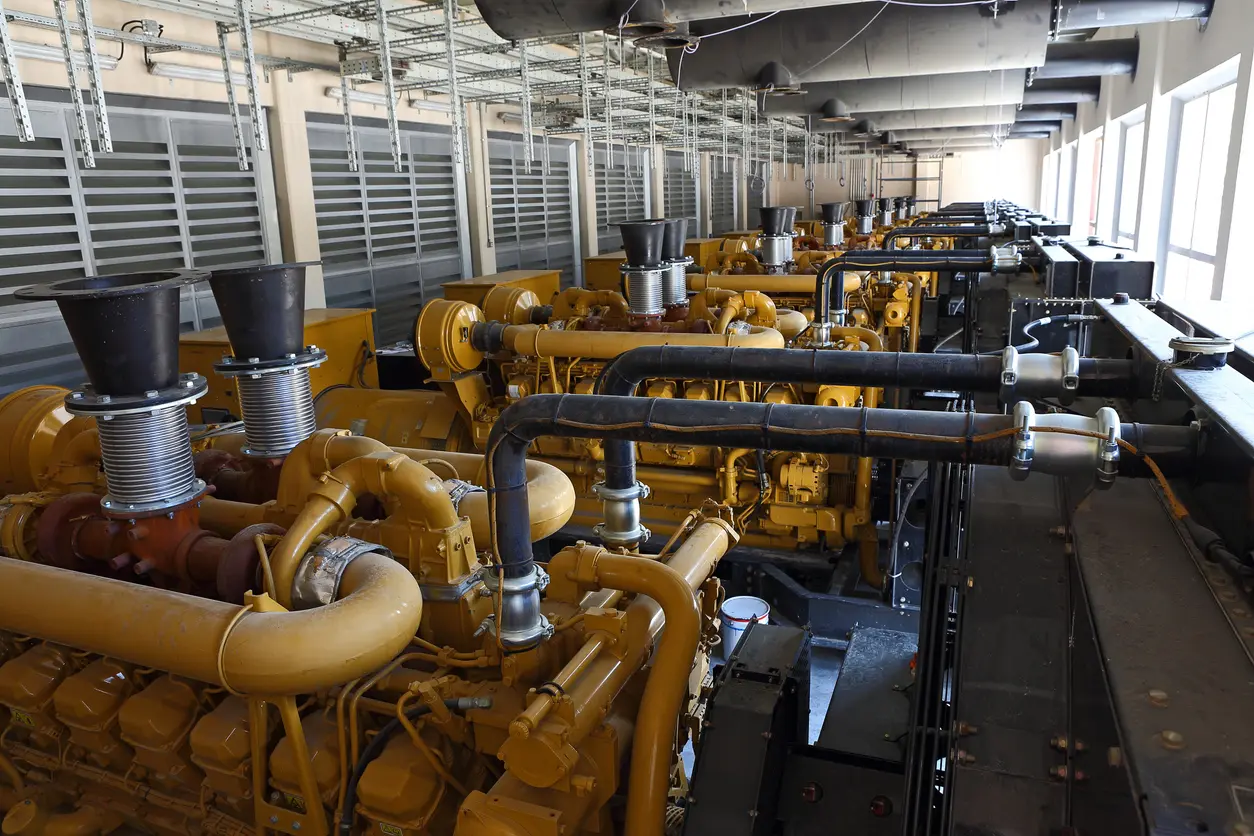
A generator fuel line system is one of, if not the, lifeblood for industrial generator systems. The safe and reliable channels in which fuel flows from the generator which powers other essential elements needs to be properly designed, engineered, manufactured, and tested before heading out to its service environment.
RB Royal highlights the importance of a generator fuel line system, along with fuel hardlines, in industrial systems.
Why They Matter
If a fuel system in a generator delivers interrupted and improper conditioned fuel supply, the engine loses its ability to control rated speed, firing frequency, and electrical output. Fuel lines that are restricted, leak, have an air ingress point, or have contaminates can prevent starting, unstable RPM, reduce available load capacity, and even trip the entire unit.
So why do properly designed, engineered, and manufactured general fuel lines matter? Because it prevents all these defects that industrial generator systems can face. Common industrial generator systems where fuel systems are a focal point include storage tanks, supply and return piping, transfer pumps, shutoff valves, and engine-side fuel components. When these lines are considered as a reliable interface rather than ‘plumbing’ it leads to properly engineered component for a supplemental system.
Fuel Lines vs Fuel Hardlines
| Component | Traditional Construction | Primary Role | Key Advantage |
|---|---|---|---|
| Fuel line / flexible hose | Fuel rated rubber or reinforced hose assembly | Connects moving or vibration prone equipment | Absorbs vibration and accommodates limited motion or installation tolerance |
| Fuel hardline | Rigid steel, stainless steel, or fixed pipe | Carries fuel through stationary portions of the system | Provides durable, protected, and dimensionally stable routing for long runs |
| Transition connection | Flexible fuel rated hose between fixed piping and engine | Decouples rigid building piping from engine movement and vibration | Helps avoid fatigue cracking at the engine connection |
Reliability, Performance, and More
A generator fuel line and fuel hardlines need to feature reliability, perform consistently, and have safety systems accounted for. In terms of reliability in performance that begins with stable flow and pressure. Engineering teams at both a contract manufacturer and an OEM place a focus on fuel hardline diameter, route length, elevation changes, fittings, valves, filters, and elbows knowing any blemishes on those considerations impact pressure drop. Generator engines face fuel starvation during cranking, load acceptance, or full-load operations when a supply line is undersized or features excessive restrictions.
For safety concerns and priorities, a generator fuel line system and its fuel hardlines rely on fuel-compatible materials and seals, secure mounting, abrasion protection, accessible isolation valves, proper filtration, pressure testing, leak checks, and documented inspection intervals.
Design Considerations
The design process for a generator fuel line system is where all of these considerations are taken into account. Sizing for worst case demand is a great starting point for contract manufacturers and OEMs alike. This accounts for designing around the maximum full load fuel demand, starting transients, line length, return flow, and filter restriction.
Matching materials to fuel and environment conditions matters as well in design considerations. Hoses, tubes, pipes, fittings, and sealing materials must be compatible with the fuel type, pressure, temperature, outdoor elements, vibration, and expected corrosion for systems to operate properly.
Other key design considerations include controlling the routing and restrictions, engineering engine interfaces for vibration tolerance, and designing around inspection.
Contact RB Royal for Your Generator Fuel Line and Fuel Hardline Needs
RB Royal is one of America’s premier turnkey fluid transfer system components manufacturers. Our Fond du Lac, Wisconsin facility is home to our renowned manufacturing operations where the generator fuel line production process begins.
We offer custom manufacturing capabilities through our design-ufacturing program, which takes any design and finds a way to make it manufacturable for your fluid system. From there, we take that design and begin production in our facility with real-time updates during manufacturing and quality checks along the way.
Following production, the strength of our ISO 9001 certified quality management systems really shine. Supporting the process, we document and verify all ECRs, conduct internal testing/verification, and maintain a system of third-party verification of all fixtures. Our fully equipped on-site testing lab is equipped to check virtually every detail from dimensions to cleanliness testing. In addition to offering full PPAP and FAI, we also can coordinate off-site, third-party testing, and verification as required.
Ready to start your generator fuel line manufacturing program? Contact RB Royal for an initial consultation and see the difference we can make for your team.